Tag: Bird Watching

  • Cemlyn Bay

    Cemlyn Bay

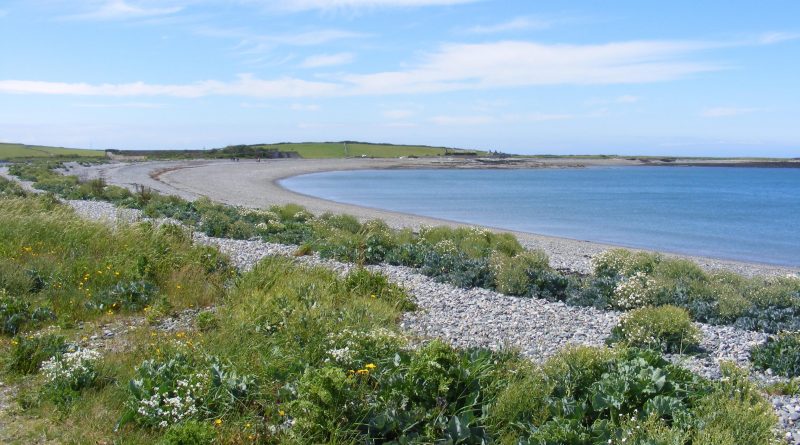
    Cemlyn Bay is a stunningly special location on the north west coast of Anglesey. The bay consists of a steep shingle beach stretching over 600 metres round with rocky outcrops to the right. Cemlyn Bay has a little bit for everyone, sea fishing, bird watching or just taking in the beautiful scenery.

    The bay is a favourite spot of many anglers but they don’t get on well the resident grey seals! Behind the shingle beach is a man made brackish Lagoon. Cemlyn Bay is home to hundreds of sea birds and has the only breeding Sandwich Terns in Wales. These both make up part of the Cemlyn Bay nature reserve.

    The Cemlyn estate is owned by the National Trust and is a designated area of outstanding natural beauty. It is also an area of special scientific interest and part of Angleseys heritage coast. I told you it was special!

    The bay is definitely a place to visit if you particularly enjoy watching various bird species. Plenty of native species are here year round with some migratory ones stopping over.

    Parking is plentiful on both sides of the bay and it is currently free. The carpark to the west (Bryn Aber) will put you closer to the birds, its a lot more of an interesting area to explore. The one to the east will leave you with a bit of a walk but its also better for anglers.

    You can find Bryn Aber carpark by clicking this link Bryn Aber

    Cemlyn Bay car park directions are available HERE

    The closest toilets are in Cemaes on the main road LL67 0HH or the beach car park LL67 0ND

  • Bird watching in Anglesey

    Bird watching in Anglesey

    Bird watching in Anglesey is fantastic! For such a small island it has such a diverse range of habitats. Drawing in regular seen birds throughout the British Isles and some much rarer species. (And Red Squirrels…just saying)

    Anglesey is an island of hills, cliffs, heaths, sand marshes and wetland areas. Each drawing in a multitude of adapted birds to each area. Lets look at the rarer species and the habitats we can see them in. When bird watching in Anglesey we have some awesome species to look at. Moreover most of the island is a designated area of outstanding natural beauty.

    Puffins

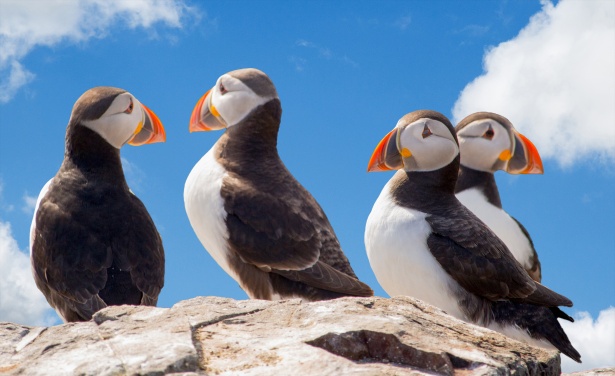
    Who doesn’t love Puffins? These special birds can be seen at two areas in Anglesey which are in opposite corners of this fantastic island. Puffin Island just off Penmon Point to the North East and South Stack on Angleseys South Western coast.

    Peregrine Falcon

    Fastest bird on the planet? Oh, yes indeed. It can be seen around the island, Try anywhere with high cliffs or tall man made structures. South Stack and the 2 bridges on Anglesey are a great place to start.

    Choughs

    Rare type of bird? Yes, but its largest colony in the UK is based in Anglesey. Chuffs inhabit westerly facing cliffs quick it what Anglesey has. South Stack and the surrounding areas is the perfect place for them.

    Raven roost

    Yes, Ravens. In fact it’s largest roost of Ravens in the world. You can find them in the pine forest in Newborough. Located on in the south east corner of Anglesey, it is also home to Red Squirrels.

    Small Eared Owls

    Not exactly a rare species but one that is worth a mention. These owls love to hunt among salt marshes for voles and other small creatures. The area around Abeffraw is the best place to see them in there natural habitat. Top tip – winter is the best time to search them out.Some of the best locations to see birds on Anglesey are listed below.

    RSPB Valley Wetlands

    RSPB South Stack

    Puffin Island

    Cemlyn Bay

    Anglesey Coastal Path

    Common birds live all over Anglesey which is home to many different types of sea and inland birds species. This helps compliment the rarer types and frequent visitors to the island. There is always a special bird during the year to see, you just have to find them. Throughout the year there are many migratory birds that will turn up on the island. Not all of these are rare in terms of numbers but its rare to see them in the UK.

    Get your binos, spotting scope and camera and get out and look! Bird spotting in Anglesey is great, you may even see Red Squirrels and the elusive Otters. I know they are not birds but who wouldn’t want to see them on their travels.

  • Short Eared Owl

    Short Eared Owl

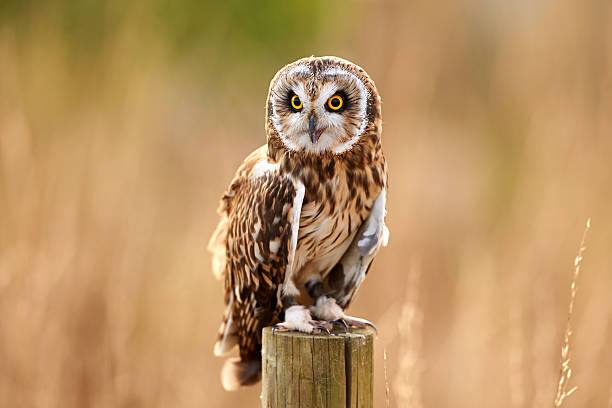
    Short Eared Owl are one of natures great little predators that you can see in Anglesey.

    So called due to the little tufts of feathers that resemble little ears. These medium sized owls are unusual in that they are not nocturnal and prefer to hunt during the day. Instead of using a traditional tree nest the Short Eared Owl will nest in small ground hollows. The nesting hollows are surrounded with feathers and grass.

    The UK has around between 1000 and 2000 breeding pairs which are usually in the north and across Scotland. During winter Short Eared owls will often fly across from Scandinavia, Iceland and Russia to hunt. They will also move further south than where they normally nest in the northern uplands of the UK. With their numbers bolstered this the best time to see them in Anglesey.

    Habitat plays a key part in where you will find these fantastic animals. Their preference is for low lying coastal marshes and wetlands. Anglesey has a few of these areas that a perfect hunting grounds for the Short Eared Owls.

    One if not the best place to see these great creatures is the area around Aberffraw during winter. It’s the perfect area for them to hunt small animals such as there favoured prey, Voles.

    Typically Short Eared Owl are between a length of 34-42cm with a wingspan of 90-105cm. The average weight of the stunning birds is between 260-350g. Tracked ringed birds have been know to fly down to Africa. One Owl clocked an average speed of 50mph across the English channel as it migrated.

    Don’t forget the best time to see these birds in Anglesey is the end of December through to February. Aberffraw is located following post code LL63 5AJ on the south west coast of Anglesey. There is plenty of free parking moreover the A4080 has plenty too.

    Bear in mind it can be cold and blustery at this time of year so dress appropriately. Long range camera lenses and binoculars are best so as not to disturbe the Owls.

  • Penrhos Coastal Park

    Penrhos Coastal Park

    Penrhos coastal park is located just outside of Holyhead and has a bit of everything. The park is a jack of all trades but actually comes close to mastering them all. History, sea, and wildlife are blended into one fantastic park to visit. The park covers an area of around 200 acres too so there’s plenty of room.

    First off there is ample parking and its free too which is an added bonus. Moreover its super easy to find as it’s just off the Cob. That’s the A5 Stanley Embankment which is the original road to Holy island before the A55 was built.

    We were not sure where to start with this one as it has plenty of things to take in so here we go.

    Red Squirrels

    What’s not to love? There are enough of these rarer squirrels to makes the trip alone. You may see them as you walk through the wooded paths. Better still there are a few “feeding stations” where they have become used to getting easy food. The squirrels have become a little more used to people watching them. No sudden movements or barking dogs and they will happily let you watch them.

    Walking and Cycling

    Penrhos Coastal park is a great place for walking, jogging and Cycling. There are loads of paths around the site. Further more it’s part of the Anglesey coastal path and national cycle route 8 to Holyhead. At low tide there are sections of the beach which you can also use.

    Private Beach

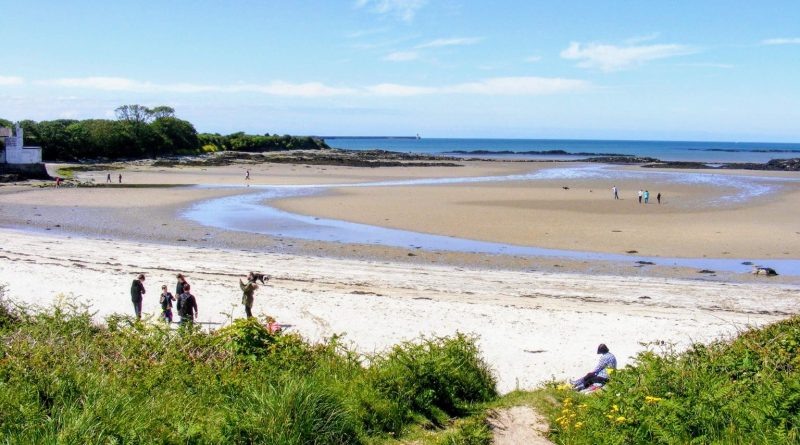
    What a cracker, Private beach is also known as the hidden or secret beach. It can only be reached by walking through Penrhos Coastal Park. It’s backed soft sand and is quite extensive at low tide. Moreover the views are decent too with views of the breakwater and Anglesey. You may also spot the ferrys as they come and go from Holyhead Port.

    Pet Cemetery

    This one might not be for everyone but its in the woods and you will probably stumble upon it. It’s Penrhos most quirkier feature with some stones dating back to the 70’s. It’s definitely pretty enough with Bluebells growing among the stones and it’s still in use to date.

    Fishing

    Sea anglers will target the fish that come in with the flowing tide. Some will use lures and fish around the Stanley Embankment others bottom fish. Different species caught in this area including more elusive Garfish and smoothhounds. This is as well as Bass, Dabs, Whiting and dogfish that are numerous in the area.

    If your feeling peckish or fancy a drink there is a burger van on the carpark. You also have the option of a sit down meal at the cafe next to the entrance.

    The address for the coastal park is:

    42 Stanley Avenue, Valley, Holyhead LL65 2JE

    There are toilets on the main car park.

  • Penmon Point

    Penmon Point

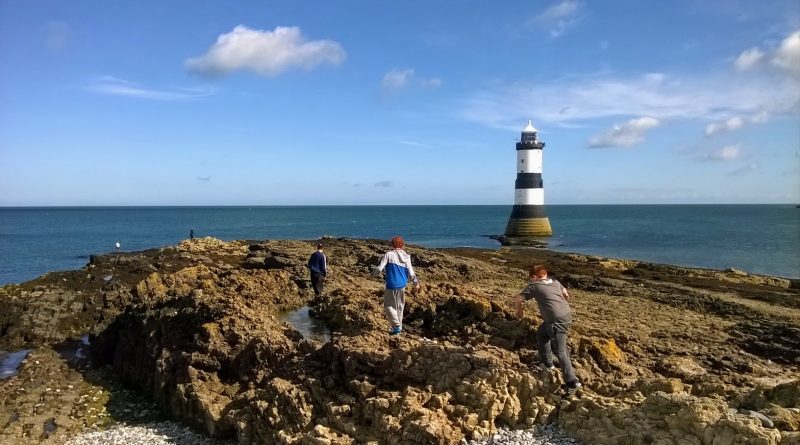
    Penmon Point is on the north east coast of Anglesey with views across the mainland, Great Orme and of course Puffin Island. It is also a great place for anglers to target Mackerel in summer. It is also home to one of the 5 working lighthouses located on Anglesey, Trwyn Du Lighthouse.

    a picture of the lighthouse at Penmon Point with Puffin Island in the background

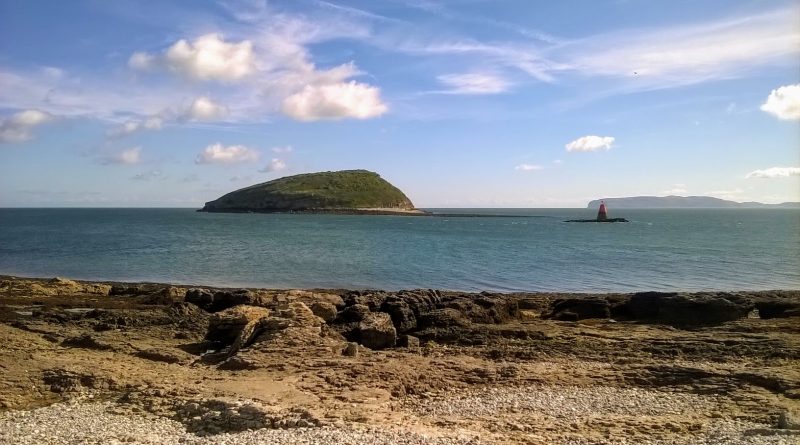
    Penmon Point is the quickest way to get to Puffin Island by Kayak. Moreover it is a brilliant sea fishing hot spot. Also a great place to spot dolphins and harbour porpoise in summer. Seals resident to Puffin island are often seen close to the shore around Penmon Point. The views are on par with what you generally find around Anglesey, beautiful and spectacular. Make sure you take your binoculars and camera!

    A picture of the shingle beach at Penmon Point

    Access is via a Penmon Point toll of £3, there is plenty of parking at the point itself. It is often frequented by motor home owners who stay for the night, officially it’s not meant to happen. A blind eye is usually turned and you are charged the toll fee again on the way out. Just be mindful that the road down to Penmon Point is not as smooth as it could be and there are a few small speed bumps.

    A great holiday let sits on the end overlooking Puffin Island and it’s surroundings. There is also a great little cafe too, good food and a few toys and trinkets for sale. Toilets are for customers only though…you need to ask for the key.

    During the evenings when the sky is clear and there has been a decent coronal ejection, the northern lights are visible. Its the perfect spot night and day for photography, trying to catch the dolphins before they dip can be a pain. Another thing that makes Penmon Point special is at certain times of the year is has bio luminescent algae. It is absolutely awesome, the water glows blue when disturbed. Dare I say magical? It will be a treasured memory by all who see it.

    A picture of the shingle beach at Penmon Point taken form the rocky outcrop next to the lighthouse

    At the start of the toll road is Penmon Priory, the remains of the 11th century Aberlleiniog Castle are close too. To get to Penmon Point you have to travel through Beaumaris which has lots to see and do. Beaumaris Castle is great, history, with long dark corridors to explore adults and children love it.

    a picture of penmon point lighthouse or its welsh name Trwyn Du Lighthouse

    A bit of exploring and a great place to view the local aquatic wildlife at the right time, or just take in the views and relax. Penmon Point is whatever you ask of it. How about taking one of the Puffin Island cruises from Beaumaris as you get to take everything in with commentary.

    Definitely try some cake from the Pilot House Cafe or how about catching your own tea? Cheap fishing tackle is available at Anglesey bait centre, Unit 1 Gallows Point Beaumaris Anglesey LL58 8YL Tel: 01248 810009

    You can find it here Penmon Point at the following address, Beaumaris, Gwynedd, LL58 8RR. Its worth the toll when chances of seeing Dolphins and Seal are better than other places. You will definitly return to this awesome little spot.

    Closest toilets are in the cafe – Patrons only

  • Puffin Island

    Puffin Island

    Puffin Island is a little jewel just off the North East coast of Anglesey. It is at the northerly starting point of the Menai Strait and is a haven for wildlife. Regular boat trips depart from Beaumaris for this very reason.

    St Seiriol had monastery here in the 6th century which is still just visible on the top of the island today, he was closely linked with Penmon Priory.

    These days it is only wildlife that live on the island, it is currently a bird sanctuary. Comorants, Shags and the Altantic Grey Seals are residents here year round and they can be seen in high numbers from the cruise boats. During the breeding season which is around April – July there are many other species on the island. Outside of this period alot of these breeding birds will remain out to sea. Razorbills, Guillemot, Kittiwakes and Puffins are some of the these regular visitors.

    Unfortunately and accidentally rats were introduced to Puffin island and the Puffin colony was decimated, with the rats feeding on the breeding Puffins eggs and chicks. Moreover following this accidental introduction a program to remove the rats has now been completed and the islands bird populations have bounced back. However there are still only very small numbers of puffins returning during the breeding season, fingers crossed this will increase again with time.

    The waters around the island are rich in marine life, providing a source of food for the nesting birds and seals that call the island home. Puffin Island is also frequented by Harbour Porpoise and Bottlenose Dolphins, great to watch if you are lucky enough to see them. The waters provide plentiful bounties of food hence they frequent the area. Particularly true in summer when the large shoals of Mackerel move into the area. These in turn are hunting the fish fry or white bait and Sand Eels as the great circle of life continues around us.

    You are no longer allowed on Puffin Island, the closest you can get is by boat. It is also popular with small boats and kayaks who fish in the area or come to see the wildlife. There are two companies operating out of Beaumaris that provide pleasure cruises to the island at resonable prices too, for the more adventurous there are fast Rib rides to see the island.

    Tried and tested, could not stop grinning!

    Top tip – If you head for Penmon Point with a good zoom camera or binoculars you can get a good view. At times none are needed as seals and dolphins may come quite close to the shoreline. Moreover its also good to spot to try fishing for Mackerel, great for a bbq tea.

  • South Stack Lighthouse

    South Stack Lighthouse

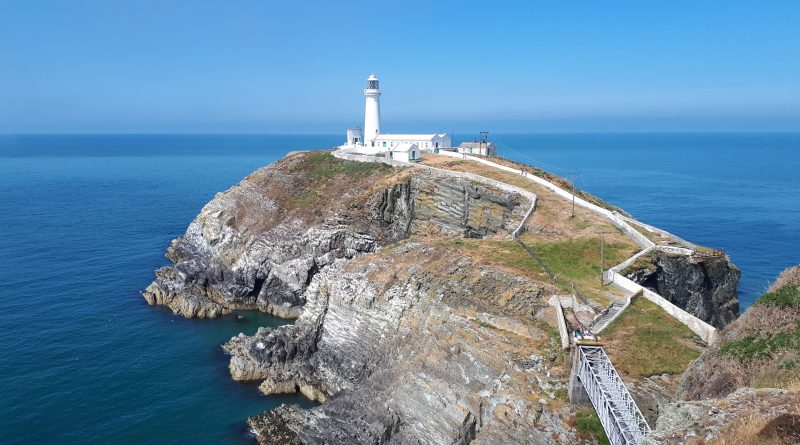
    South Stack lighthouse is based on the western edge of Holy Island, it takes its name from the cliff section it resides by “South Stack”.

    Built in 1809 by Trinity House (official lighthouse authority for England and Wales and currently operated remotely) to protect shipping from the rocks around the cliffs it has stood the test of time. That’s no mean feat given the often turbulent and stormy waters off the west coast of Wales.

    Today it is still in use as a lighthouse guiding ships across the coast of Anglesey, it is also run as a visitor attraction by South Stack Ynys Lawd Ltd under licence.

    The 400 hundred steps down to the bottom is easy enough if going steady but coming back up is a bit of a challenge! The very last section is very steep to access the crossing causeway. The views heading down are fantastic, thousand of birds nest here in the spring and summer. If you a lucky you may spot the Puffins that breed here each year, beautiful birds. Keep your eye out for Lizards too as they can be seen darting about at times.

    On arrival at the Island there is a attraction fee to be paid before entry. This gives you access to the paths on the Island and the Lighthouse itself. You can take a tour of the old engine rooms and finally make your way up to the top of the lighthouse. This elevated position lets you see 360 degress around the area, you will see just how many birds call this place home.

    Hiding to the right of the picture

    Parking is free on the RSPB car park where there is a large cafe, toilets and seating inside and out. The walk is a little strenuous so may not be for everyone, regardless there is lots to see with little effort so definitely give it a go. You will need plenty space for all your pictures!

    You can find South Stack at South Stack Holyhead LL65 1YH

    Further information on South Stack can be found at https://www.trinityhouse.co.uk/lighthouse-visitor-centres/south-stack-lighthouse-visitor-centre

    The closest toilets are in the RSPB building by the main car park.

  • South Stack RSPB

    South Stack RSPB

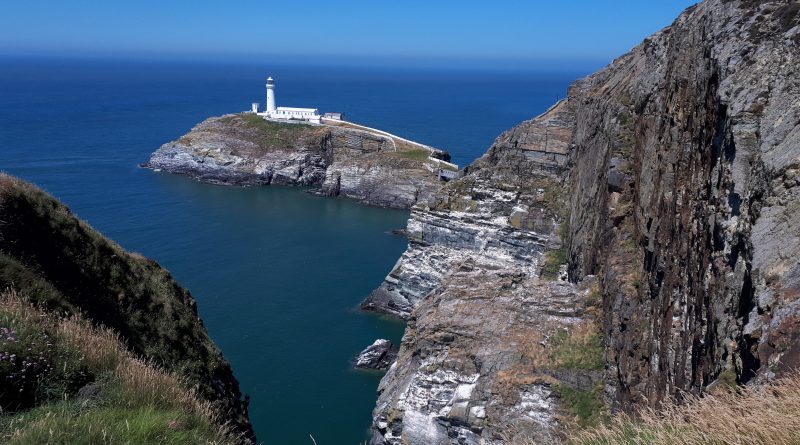
    South Stack RSPB on the western coast of Holy Island. Home to the huge colonies of nesting sea birds that call it home. From the breakwater at Holyhead round to South Stack the cliffs rise from the sea. Vertical in places and upto 60 metres in height.

    The images shows the cliffs at south stack rspb, this is where the birds nest.
    South Stack Cliifs

    A haven for birds, moreover is has regular visits by marine animals. Dolphins and Harbour porpoise can be seen when in search of food and passing through the area. Seals also frequent the area too, there are a few that inhabit the area near North Stack. In July 2018 two Orcas from a pod in the Hebrides visited the area, Minke Whales can also be seen but sightings are rare.

    An image of South Stack lighthouse taking from the viewing point at south stack
    South Stack Cliffs

    The cliffs are home to nesting birds in the spring, these included Puffins, Giullemots and Razorbills. Chough’s which are now quite rare call South Stack there home year round. Literally the cliffs are covered in nesting birds, the noise they make gives you an idea of how many breed here. There are some great spots to see or take pictures from, it is a gentle walk down to the viewing point and not too difficult to get back up as the path is well maintained. It also has great views over the lighthouse of South Stack.

    the image shows a bird watching hide at South Stack were you can sit with the free use of binoculars. Informational boards all around.
    Bird watching hide

    Near the viewing area is Ellin’s Tower. Built between 1820 and 1840 by the Stanleys of Penrhos as a summer house. It is now an information centre for the RSPB, it has great views around the area with a camera on the cliff nests veiwable inside.. There is also free use of binoculars too which the kids (and adults) may enjoy. Occasionally you make catch a glimpse of a passing Basking Shark which are the 2nd largest of the shark species. This is generally in the warmer months of May to September.

    A picture showing Ellins tower at South Stack

    The area is managed by the RSPB who look out for the nesting birds. There is a great new cafe and visitor centre which also has toilets. The cake selection looks amazing with good portions too. Seating areas outside let you soak in the view and sunshine (weather permitting) while you eat, drink and relax. You have sea views for miles around with the hills of the Llyn Peninsula in the distance.

    Elins tower and south stack rspb, you can watch the nesting birds with free use of binoculars
    Elins Tower

    Parking is by pay and display but not expensive, it is able to take coach parties too. If you like bird watching or stunning scenery, South Stack RSPB without a doubt should be on your list to visit.

    You can find South Stack RSBP at RSPB Visitor centre, Holyhead LL65 1YH

    The closest toilets are in the RSPB building.