Tag: wildlife

  • Choughs

    Choughs

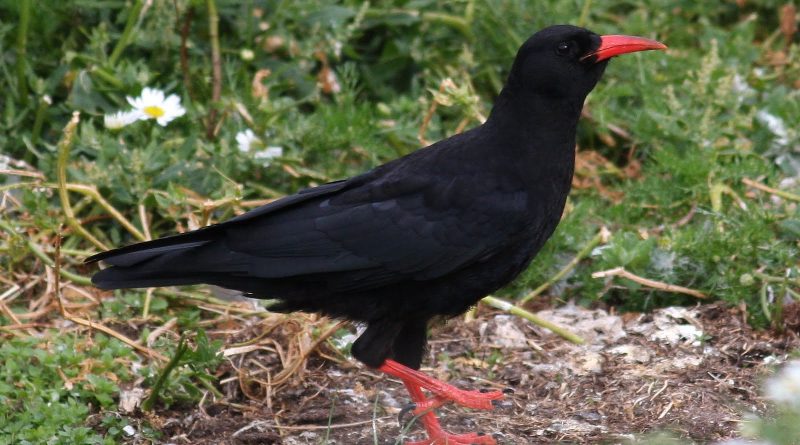
    Choughs are a member of the crow family, they are only found on the extreme Western and rocky coasts of the UK.

    Male and females are both similar in appearance, black bodied like crows with a red/brown/orange beak. Moreover their feet are oddly very different from the rest of the crow family of birds.

    Anglesey is one of the last bastions of Chough habitat that has breeding pairs of these now rare birds. They can be found year round on the cliffs around South Stack and areas local to it. They nest on the high cliffs in nooks and cranny’s on the cliff face, sometimes just inside small caves or even tall buildings at times.

    On occasion they will also form small flocks in winter when flying around the area. They can often be seen at times performing acrobatics as they are very nimble flyers. Great fun to watch.

    Ellins tower on the South Stack RSPB reserve is a great place to spot them from or at the various viewing points. Try walking down the stairs to the lighthouse as this also give great views of the birds, Puffins too April to July.

    Best place to view them is here, RSPB Visitor centre, Holyhead LL65 1YH

  • Puffins

    Puffins

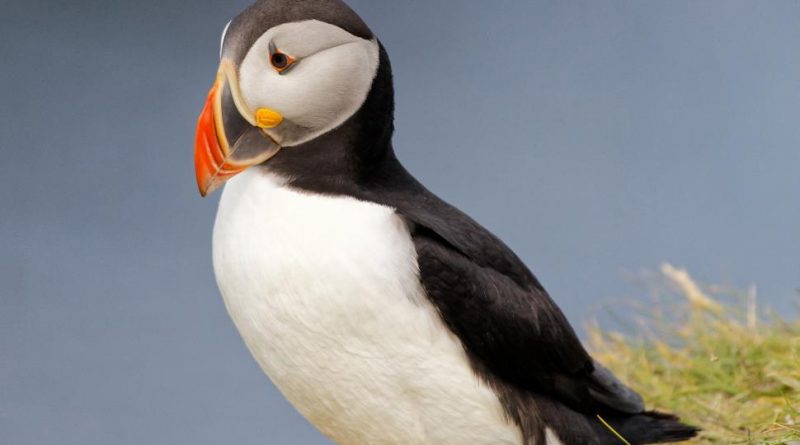
    Puffins are one of life’s little treasure birds, absolutely stunning little animals and they nest on Anglesey too!

    Puffins spend the majority of there lives at sea, they are fantastic swimmers, this enables them to catch fish at depth (up to 70 metres). As the weather begins to warm they head back to land for the breeding season. Puffins will dig burrows to lay there eggs in as apposed to a more traditional birds next. On puffin Island they are slightly different and tend to lay their eggs in cracks in the rocks on top!

    a group of Puffins on a rock

    They are a beautiful birds with bright oranges legs / feet and equally as bright beak. They are often affectionatly refered to as sea parrots. You can see them bring back mouthfuls of sand eels to feed their chicks. The record for one bird was 70, which is huge given they are only small birds.

    The breeding season is from April to July, this is the only chance you will have to see them before they head out back to sea. South Stack is known as one the best places to see them in the UK to see Puffins. Skomer Island in Pembrokeshire and St. Kila in Scotland are also the best places to see them. The St.Kilda colony contains over quarter of the Puffins entire population in Europe.

    You can see the puffins here, RSPB Visitor centre, Holyhead LL65 1YH

  • Basking Sharks

    Basking Sharks

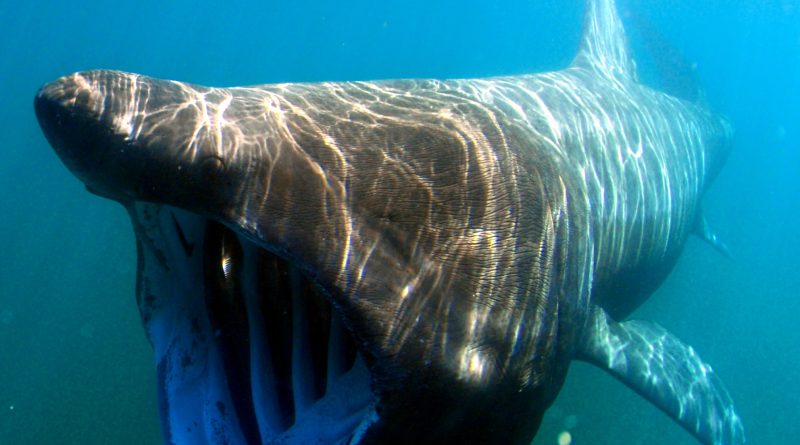
    Basking Sharks are an immense beast! Reaching up to 10 metres in length, the average however is around 8 metres. Weighing close to 6 tons when fully grown, they are able to filter a huge 2000 litres of water per hour.

    Basking Sharks are the largest shark species you will see in the waters around the UK. These gentle giants are no threat to swimmers or much else for that matter. Filter feeding is what they do best, slowly meandering through the water with their huge mouths agape. The tiny zooplankton close to the surface of the sea is all they will feed on.

    They usually appear during the warmer months as the sea temperature starts to rise. The best time to see them is from May through to September. They can be spotted from shore but by boat is your best chance. If you see a large black, triangular looking fin protruding from the water you are very lucky. Basking sharks are grey in colour, sometimes you see the snout poking out of the water to the front.

    A basking shark filter feeding at the waters surface, its nose sticking out of the water

    Best times to spot them are when the weather is calm and they come in closer to shore to feed. It also makes them easier to spot there dark shadow on top of the water. They are quite docile in nature so swim very slowly along the surface. Prime locations to see Basking Sharks in Anglesey are along the Western coastline. At times they will venture into other areas. However its not very often they are seen at other locations off Anglesey. Try the high cliffs of South Stack and the coastal path around Holyhead Breakwater Country park.

    What will you see while visiting Anglesey? Seals, Dolphins, Harbour Porpoise and even Killer whales we seen off Holyhead. Get out and see for yourself!

  • Snakes

    Snakes

    Snakes are abundant across Anglesey. There are few hot spots where you have a better chance of seeing them. Snakes love the heath and also the Marram Grass that grows on the sand dunes around Anglesey. They can hunt and bask in relative peace away from prying eyes. Small mammals, lizards, frogs, spiders, eggs and more are all on the menu. Where there are snakes on Anglesey you will also come across common Lizards.

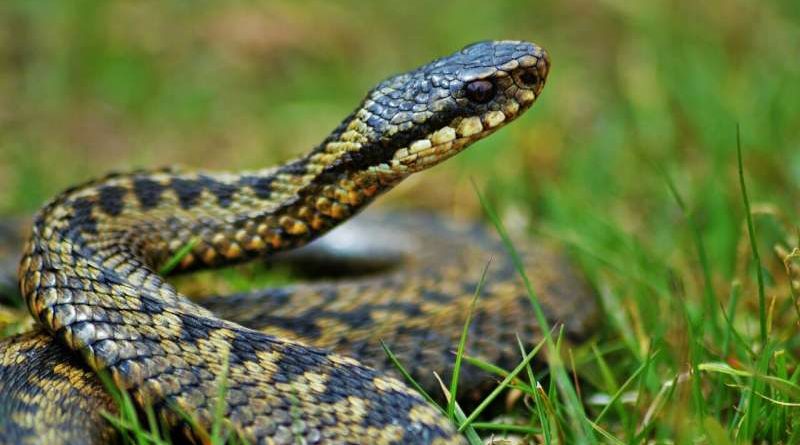
    a picture of a common grass snake
    Grass Snake

    Adders are the UK’s only poisonous snake species, they are recognisable by their diamond patterned skin. They can be found all over Anglesey and other parts of the UK, this island habitat is perfect for them. Between October and March Adders hibernate, only emerging when the weather is warm enough. You can see them basking on rocks, the heat from the sun kick starts their metabolism. As they are cold blooded they need the sun to warm there blood, this heat allows them to hunt.

    Poisonous or not they are a shy species and will not usually attack humans. Bites tend to happen if they are stood on by accident. Dogs do get bitten occasionally due to there inquisitive nature. It’s not uncommon for this to happen if they come across a snake in the long grass. The bite is defensive in nature and they will try to get away from perceived danger if they can.

    Grass Snakes are found across the UK, they are the largest of our snake species. Males grow to around 90cm and females can grow up to 190cm, they are usually olive green in colour. They lack the diamond skin pattern of the Adders and are also found on Anglesey.

    Great places to spot snakes on Anglesey are South Stack, Holyhead Mountain, Breakwater Coastal Park and the dunes around Newborough, Rhosneigr and Aberffraw. The latter three have Marram grass covered dunes where they like to hunt. The former two have an abundance of heath for them to hunt in with open areas for basking in the sun. That said if you are lucky you could find them in plenty of other areas around the island.

    If you really want to see them head for the sand dunes to the rear of Crigyll Beach or South Stack. More often than not, you will find them when you are not looking or if you have a keen eye. In early spring you will find them basking on rocks to

    Remember these are wild creatures and they can give a serious and venomous bite. Observe them at a safe distance and never try to touch or provoke them. Safety first, always.

  • Anglesey Lizards

    Anglesey Lizards

    As a relatively small island Anglesey has a lot of diverse habitats that allow lizards to thrive. A few locations hold good sized populations where you can see them if you know where to look. They are fast little creatures with a good ability to blend into there surroundings.

    Slow Worms

    Slow Worms are a wierd looking Lizard native to Anglesey. Why are they wierd? Well they have no legs and look like a snake. Though they are most definitely lizards despite their appearance. They have the ability to blink with their eyelids and shed their tail if attacked unlike actual snakes. If this happens it will grow back but it’s usually bit smaller when it does.

    A legless lizard native to the UK. This gentle animal is generally nocturnal and has a taste for slugs.

    Common Lizards

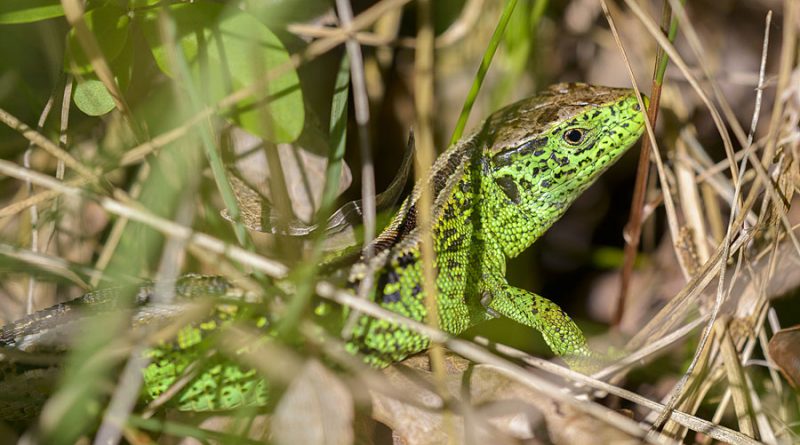
    Common Lizards live in most areas around Anglesey and are widespread across the UK. This is the one you are most likely to see of the 3 species of Anglesey lizards. Habitats such as heathland is where you can usually find them but they have adapted to other habitats.

    Common Lizard

    Sand Lizards

    Sand lizards are extremely rare around the UK due to the destruction of their natural habitats. As their name suggests they live in sandy dunes and heathland in coastal areas. Though now naturally confined to only a handful of places, reintroduction programs have begun to try and increase numbers. This makes them the rarest Anglesey lizards you may come across so they are a little more special.

    Get out and find them! A good place to watch out for them is the coastal path. The areas around South Stack, Holyhead Mountain and Newborough Warren are the best places to start.

  • Plas Cadnant Hidden Gardens

    Plas Cadnant Hidden Gardens

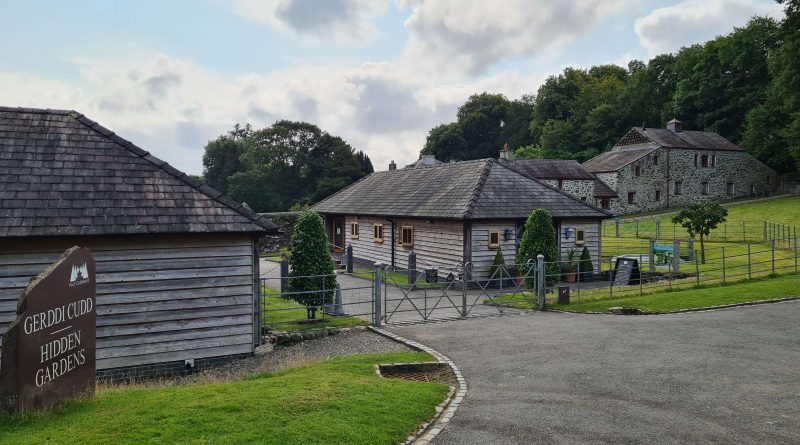
    Plas Cadnant is quietly hidden away up on the hills just off the coast road to Beaumaris.

    Head up the steep road through the woods and then through the fields of sheep. As you get over the crest, head down to the parking area and entrance to the Gardens.

    The drive is as nice as any with great views and frolicking sheep. At times you will get a little glimpse of the gardens you will soon be exploring. On arrival at this wonderful and historic estate you can see why it is loved by all who visit. Its multiple buildings are now grade 2 listed and have been since 1967. The old Georgian house has been in situ since 1803.

    Plas Cadnant hiddens gardens is immaculately maintained and has some rare and exotic plants. The owner who I met when visiting was very friendly and full of information on the history of the site. Lack of planning on my part saw us arrive 30 minutes before opening time and he was kind enough to grant us early access. I am so glad he did as we got to explore the place entirely to ourselves for a while.

    The highlight for us on our visit was the ravine area. A great spot to explore and the flowing pools at the bottom were stunning, and we spotted fish too.

  • Dolphins

    Dolphins

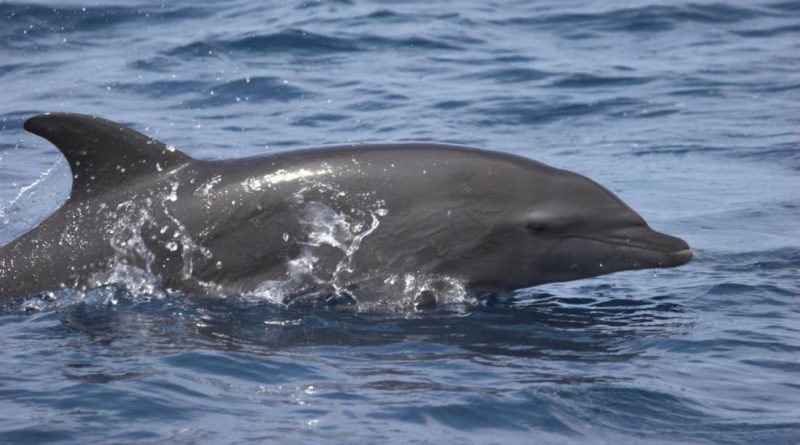
    Anglesey Dolphins – there are two main types of Porpoise that regularly visit the islands coast. These are the Harbour Porpoise and the Bottlenose Dolphin.

    Harbour Porpoise are true to their name, they stick to shallower waters closer to the shore. They prefer coolers water, often inhabiting harbours and outer estuary areas. These are the smallest porpoise in European waters, only reaching about up to around 1.5 metres in length. They do not breach from the sea on a regular basis like other species and often stay clear of boats. You will however spot them easily enough as their backs and small triangular dorsal fins clear the water.

    Bottlenose Dolphins are very different from their Harbouse Porpoise cousins. They will often fully breach the water giving great displays. They are a very curious and intelligent mammals. Moreover they will often approach boats to check them and their occupants and will, when playful travel in the boats wake. The Bottlenose Dolphin grow up to around 4 metres in length and are identifiable by there more sickle shaped dorsal fin. The UK biggest pod of these dolphins lives to the south of Anglesey in Cardigan Bay.

    As well as porpoise there are other marine animal that regularly visit the coasts of Anglesey such the Minke Whale, these can grow up to 10 metres in length. Though these are usually seen further out from shore by the boats.

    Several species of turtle visit the coastline in search food like jellyfish in summer. Seals also have colonies around the island and are commonly seen around the coastal path. Oh and last but not least, two killer Whales were spotted off South Stack in June 2018, part of a pod that live around the Hebrides in Scotland.

    What will you see?

  • Puffin Island

    Puffin Island

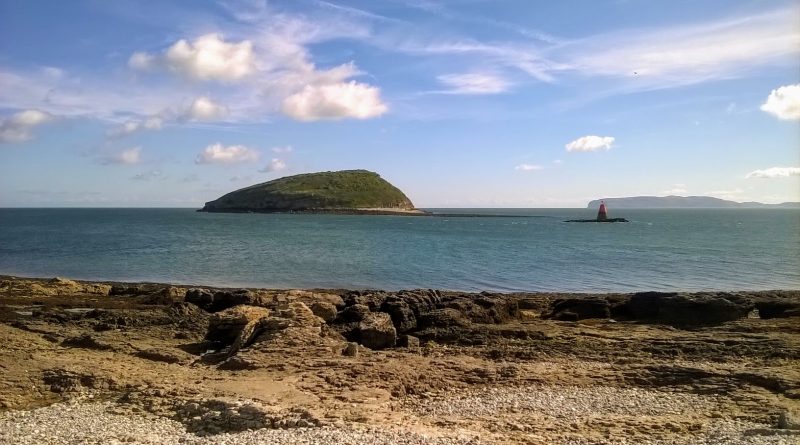
    Puffin Island is a little jewel just off the North East coast of Anglesey. It is at the northerly starting point of the Menai Strait and is a haven for wildlife. Regular boat trips depart from Beaumaris for this very reason.

    St Seiriol had monastery here in the 6th century which is still just visible on the top of the island today, he was closely linked with Penmon Priory.

    These days it is only wildlife that live on the island, it is currently a bird sanctuary. Comorants, Shags and the Altantic Grey Seals are residents here year round and they can be seen in high numbers from the cruise boats. During the breeding season which is around April – July there are many other species on the island. Outside of this period alot of these breeding birds will remain out to sea. Razorbills, Guillemot, Kittiwakes and Puffins are some of the these regular visitors.

    Unfortunately and accidentally rats were introduced to Puffin island and the Puffin colony was decimated, with the rats feeding on the breeding Puffins eggs and chicks. Moreover following this accidental introduction a program to remove the rats has now been completed and the islands bird populations have bounced back. However there are still only very small numbers of puffins returning during the breeding season, fingers crossed this will increase again with time.

    The waters around the island are rich in marine life, providing a source of food for the nesting birds and seals that call the island home. Puffin Island is also frequented by Harbour Porpoise and Bottlenose Dolphins, great to watch if you are lucky enough to see them. The waters provide plentiful bounties of food hence they frequent the area. Particularly true in summer when the large shoals of Mackerel move into the area. These in turn are hunting the fish fry or white bait and Sand Eels as the great circle of life continues around us.

    You are no longer allowed on Puffin Island, the closest you can get is by boat. It is also popular with small boats and kayaks who fish in the area or come to see the wildlife. There are two companies operating out of Beaumaris that provide pleasure cruises to the island at resonable prices too, for the more adventurous there are fast Rib rides to see the island.

    Tried and tested, could not stop grinning!

    Top tip – If you head for Penmon Point with a good zoom camera or binoculars you can get a good view. At times none are needed as seals and dolphins may come quite close to the shoreline. Moreover its also good to spot to try fishing for Mackerel, great for a bbq tea.

  • Newborough Forest Warren

    Newborough Forest Warren

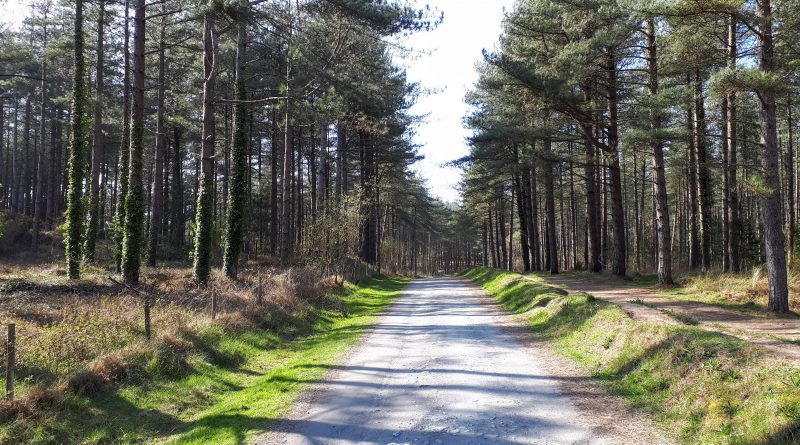
    Newborough Forest is a large pine forest on the south coast of Anglesey, home to the rare Red Squirrel. The forest starts as a back drop to the beaches of Newborough and Malltraeth, rising from the sea and heading inland. The forest is managed by Natural Reources Wales.

    Newborough forest is in an area that is simply stunning, the forest is a way to get away from it all. Miles of paths meander through the trees, at times you may not come across another soul. It’s one of the largest forests in Wales, the only one with a large number of rare Red Squirrels too.

    Newborough has lots of meandering paths, its not just great for walking but other activities too. The opportunities for getting out and exploring on your bike are awesome, the path ways are well maintained. Moreover it’s also quite popular with horse riding enthusiasts, it has more that enough room for everyone.

    There is a large car park complete with toilets and usually an Ice cream van. £5 for the full day, this is payable at the entrance via Newborough village.

    A great place to get out and explore with beaches and Llanddwyn Island close by moreover a chance to see rare Red Squirrels.

    Parking at a cost can be found at LL61 6SG

  • Peregrine Falcon

    Peregrine Falcon

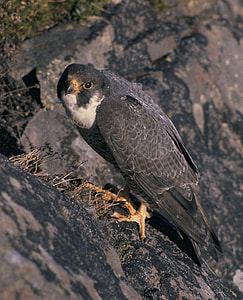
    Peregrine Falcons are just one of the special bird species that call Anglesey home. These fantastic birds are amazing in every way, bold, beautiful and have a special skill.

    The Peregrine Falcon is the king when it comes to speed, they are the fastest bird on the planet. Tucking their wings in they able to reach speeds of up to 240mph in a dive. 40mph faster than the second fastest bird on the speed list. It is also the largest Falcon in the UK reaching a wing span of 74cm – 120cm, which is quite a formidable size.

    These fabulous birds of prey call Anglesey home year round, they nest in high structures whether man made or natural. We were lucky enough to see one diving down past us on the Britannia Bridge during summer.

    A great place to try and spot one are the high sea cliffs of South Stack, an RSPB managed area. There is a Cafe, toilets and viewing area at the site too.

    Parking charges have been recently introduced at the site but they are fairly reasonable. Not only home to the Peregrine Falcon but also rare choughs call the area home. In the summer months you can also see Puffins nesting on South Stack cliffs.

  • Llanddwyn Island

    Llanddwyn Island

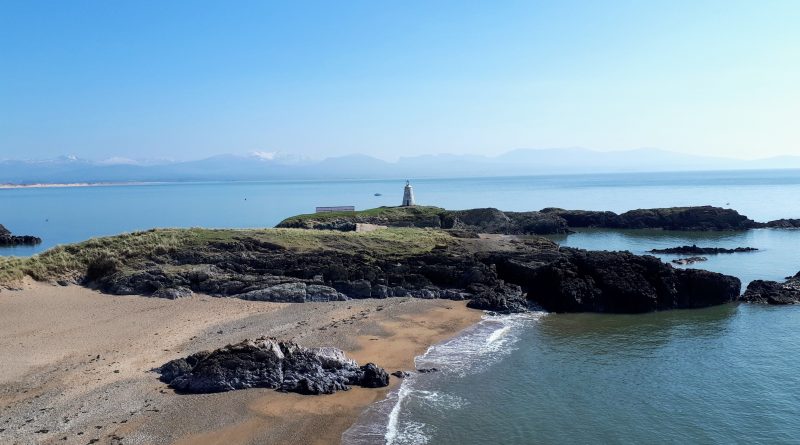
    Llanddwyn Island, what a place this is. Located on the stunning south coast of Anglesey, a rocky volcanic outcrop surrounded by the most stunning scenery. Moreover, the island is also steeped in history and folklore of ages past.

    To the east are the mountains of the Snowdonian range, to the south the rocky Hills of the Lynn Peninsula. West is the vast expanse of Malltraeth Bay with its long sandy beach, to the north the Pine forest of Newborough (Home to red Squirrels). Best views on Anglesey and dare I say, top 5 in the UK?

    Access to the island is easy, just walk onto it. It is a tidal island so can become cutoff on bigger high tide, only for an hour or so. In summer it’s shoes and socks off as you wade through the clear water, winter it’s wellies or arrive as the tide recedes.

    Oh, and the rocks you see before walking onto the island? These were formed around 500 million years ago by Lava erupting from the sea bed!

    As you make you way across the island, keep an eye out for the wild ponies, their grazing helps manage the local fauna. Some can be quite inquisitive and will even come and check you out.

    As you walk towards the end, you will soon come across the ruins of the old church / chapel. St Dwynwen’s Church to be exact, the Patron Saint of Lovers. There are several variations of the legend but all end the same, she was cured of her love burden. It was a pilgrimage site during the middle ages and became quite wealthy from it.

    As you approach the end of the island you will find the old pilots cottages, the rnli of old. Take a peek inside the windows, one is a museum. If you are lucky you may spot a lizard or two on the wall outside, basking in the sun.

    There is an old lighthouse on the end signalling the start of the Menai Strait. A similar but smaller building is guidance for the pilots cove.

    The sea around the island is a Mecca for wildlife, above and below the waterline. Seals can be seen quite regular around the island, dolphins or harbour porpoise frequent the area too.

    If you plan on hitting the beaches there are many little coves, either sandy or shingle. There is always one or two that are sheltered from any winds.

    It takes around 40 minutes to get to the end of the island from the nearest parking spot, thats walking at a decent pace.. The national trust car park at Newborough forest has toilets, showers and usually an ice cream or burger van. It’s a short drive from Newborough through the Red Squirrel Pine forest.

    If there is one place you have to visit on Anglesey, this is it. You will definitely be back again, the pictures just don’t do it justice.

    Parking at cost can be found here LL61 6SG 

  • Breakwater Country Park

    Breakwater Country Park

    Holyhead Breakwater Park sits at the foot of Holy Mountain, walking, history and wildlife.

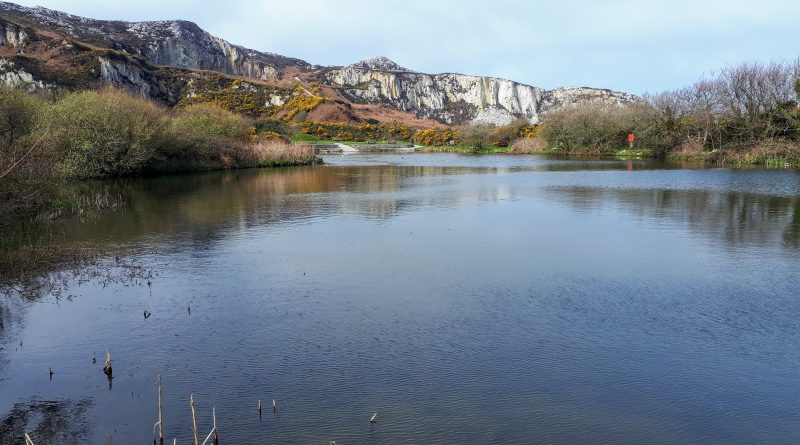
    The breakwater Park highlights the industrial heritage of the area. The remain of the chimney clearly visible, up close the Kilns from the old brick works are in decent condition given their age. The mountain to the rear shows sign of its quarrying past. There were 11 active quarries at one point, the stone of which was used to build Holyhead Breakwater.

    A picture of the children's play area at the breakwater country park in Holyhead

    Today the park is suited for leisurely walks with access to the mountain and surrounding countryside. There is plenty of wildlife around on whichever paths you choose to take, rabbits, butterfly’s, rare Chough’s or even the fastest bird in the world, the Peregrine Falcon call this place home.

    Stick to the coastal path for even more stunning scenery with all of the above but with a chance to see marine animals too. Seals call this section of rocky coastline home and are seen quite regular, Bottlenose Dolphins and Harbour Porpoise can be seen at times passing by. They truly are a magical sight and awe inspiring for all that see them.

    Closer to the parking area which is pay and display there is a good cafe, with a childrens play park. I have tried and tested the £4.99 breakfast which was spot on. There is a good size fishing pond if you fancy relaxing the day away, it is well looked after. The cafe is close and toilets are a 2 minute walk away. There is also a water fountain you can drink from or fill up your water bottles. A rarity these days.

    The Breakwater Park has a bit of something for everyone.

    You can find it here, Breakwater Country Park, Holyhead, LL65 1YG

    For further information on Parc Gwledig Morglawdd Caergybi, Breakwater Country Park, please visit https://www.anglesey.gov.uk/en/Residents/Countryside/Holyhead-Breakwater-Country-Park.aspx

    The closest toilets are at the country park and are open year round LL65 1YG.